Start with the gadget’s condition
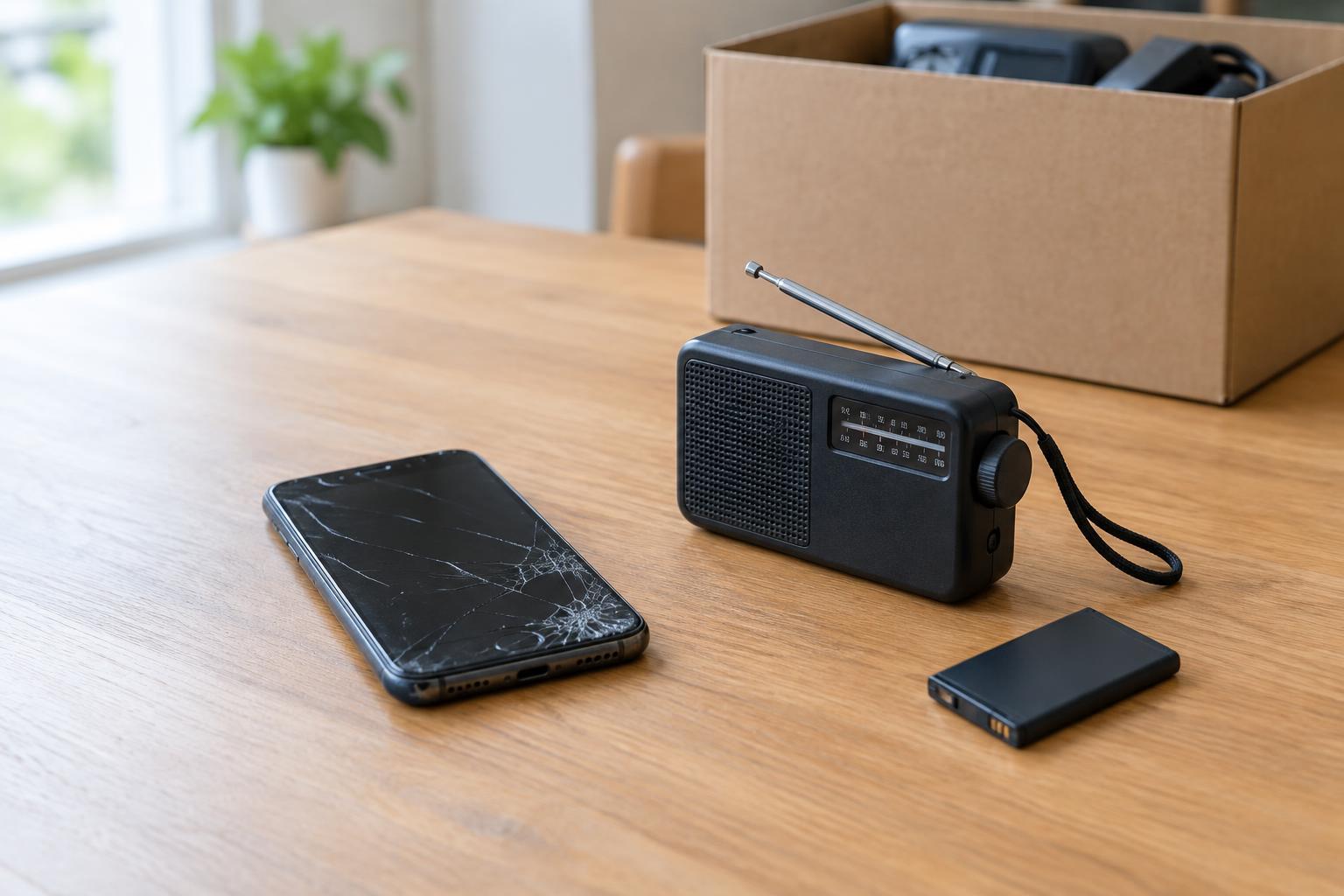
Before clearing out an old device, ask whether it is genuinely broken, merely missing an accessory, or still usable for a narrower purpose. A phone with a worn battery, for example, is different from one with a crushed case and exposed parts. You do not need to repair it yourself to make a useful decision: note what works, what does not, and whether the device shows signs of physical damage.
Donation is most useful when the recipient can assess and use the item. Ask a charity, school, reuse group, or repair organization what it accepts before dropping anything off. Describe faults honestly and include compatible accessories only if you know they are safe and functional. Passing along an unmarked broken device can shift the disposal problem to someone else.
If a gadget is incomplete, badly damaged, or unwanted by reuse organizations, look for an electronics collection option. Local rules differ, so check the instructions for your municipal collection service or chosen recycler rather than assuming every drop-off point accepts every device.
Protect personal information first
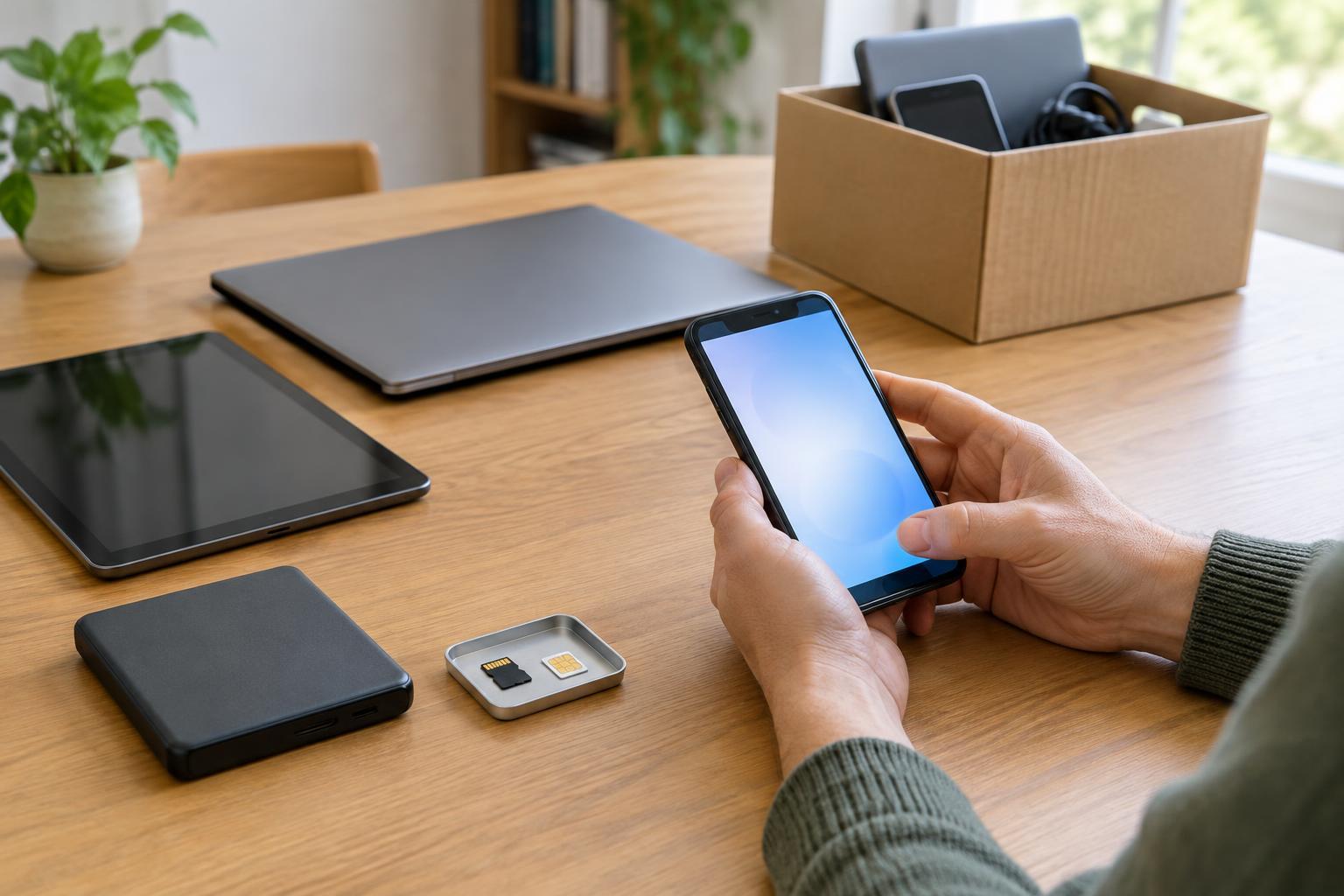
Devices that store information deserve attention before they leave your hands. Phones, tablets, computers, cameras, game consoles, and some smart-home products may hold accounts, photos, contacts, or network settings. If the device still works, back up anything you want to keep, sign out of accounts where possible, and use the manufacturer’s instructions to erase or reset it. Remove memory cards and SIM cards if they are accessible.
A reset may not be possible when a device cannot power on. In that case, ask a prospective recipient or recycler how it handles data-bearing devices. Consider whether reuse is appropriate if you cannot protect sensitive information. Do not open a sealed device or damage a battery in an attempt to reach its storage.
Sort batteries from the rest
Batteries need their own sorting decision. If a device has an easily removable battery, check the collection service’s instructions for that battery type and the remaining device. Button cells, rechargeable packs, and common household batteries may have different collection routes. Many electronics collection programs also accept devices with built-in batteries, but you should confirm this before visiting.
For an intact removable battery, prevent loose metal objects from touching its contacts during storage and transport. A collection program may ask you to cover exposed terminals with nonconductive tape or place each battery in a separate bag; follow its specific guidance. Keep batteries away from heat, moisture, children, and pets while awaiting collection. Do not crush, puncture, or open a battery, and do not try to remove a battery that is glued or sealed into a device.
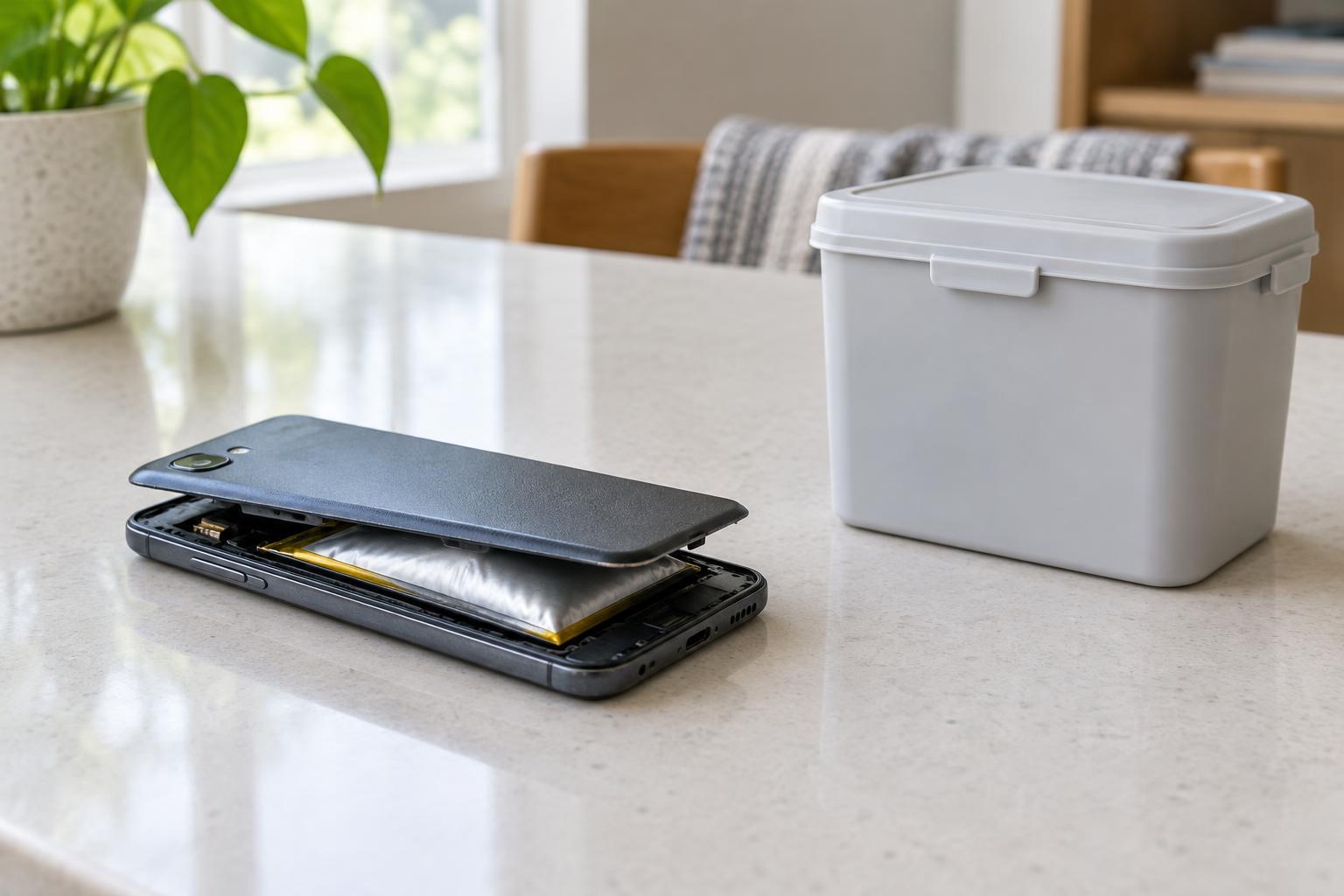
Treat a swollen, leaking, unusually hot, or visibly damaged battery as a special case. Stop using or charging the device, avoid handling any leaked material, and seek instructions from a local hazardous-waste service or qualified collection provider. If a device is smoking or presents an immediate fire risk, move away and contact emergency services. Do not put a suspect battery into an ordinary battery collection box without first asking the operator.
Prepare items for a collection point
Unplug a gadget and let it cool before packing it. Keep accessories organized so a reuse group can identify what belongs together, but check whether a recycler wants cords and chargers sorted separately. If you cannot verify that a charger belongs to a device, do not present it as a matching set.
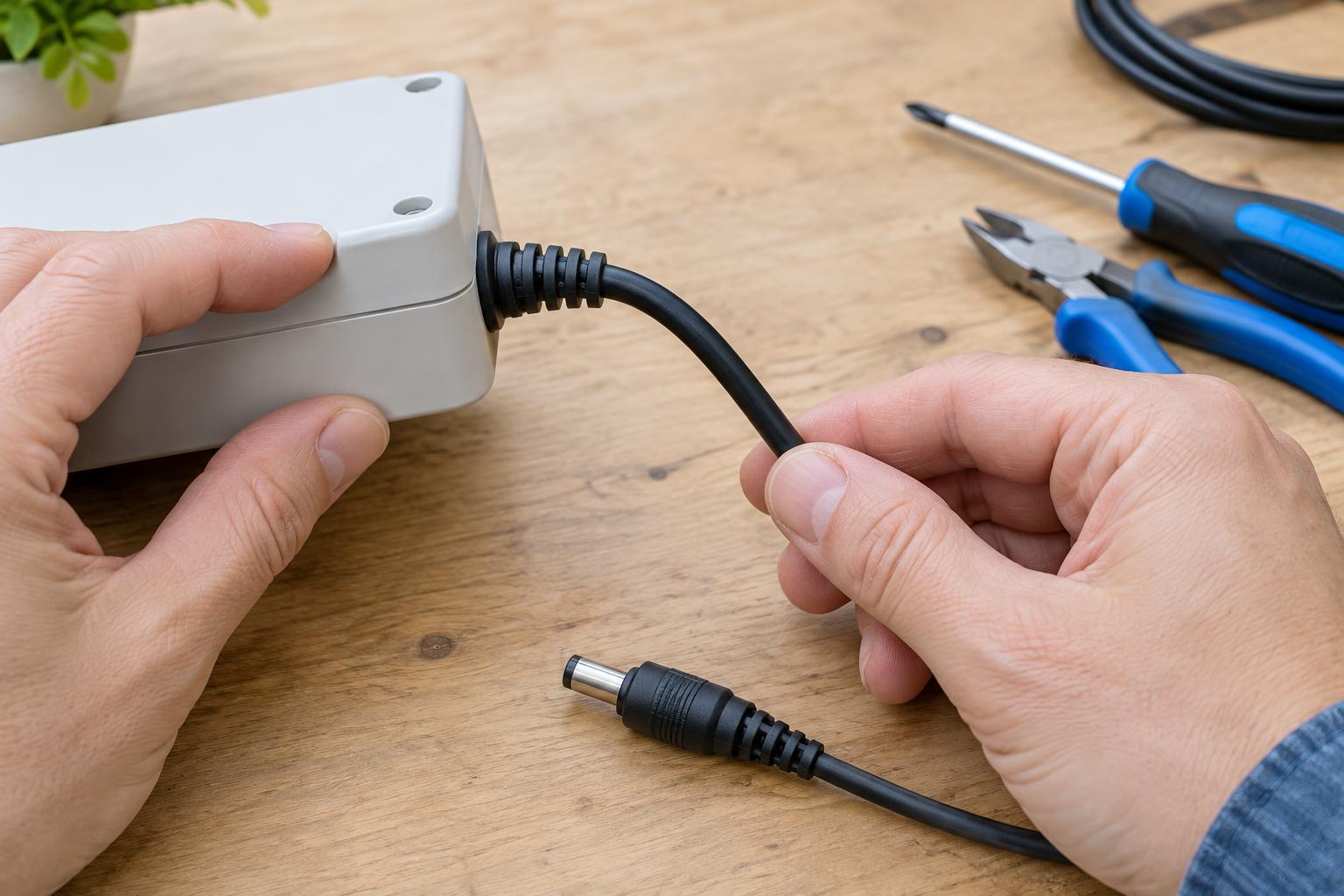
Leave mains-powered equipment closed. A television, power supply, or appliance can contain hazardous components even when unplugged, and opening it is not necessary for ordinary recycling. Likewise, dismantling a device to recover small parts can make safe handling harder if it has a built-in battery, broken glass, or sharp metal. Choose a collection route that accepts the whole item instead.
Avoid leaving electronics beside a closed donation bin or collection container. Weather and handling can damage them further, and an unattended item may not enter the intended reuse or recycling process. If acceptance rules are unclear, contact the organization before making the trip.
Use a simple decision order
First, check for immediate hazards such as battery damage or exposed wiring, and stop using the device if you find them. Next, decide whether it is suitable for reuse and whether you can remove personal data. Then identify its battery type, prepare it according to the receiving program’s rules, and take it to an appropriate collection point.
Ordinary disposal should be a last step governed by local rules, not a default for a device that happens to be broken. This approach keeps usable gadgets available for reuse, directs other electronics to suitable collection, and gives batteries the separate care they require.